
Connemara Loop Routes for Easy Exploration
Walk the Ballynahinch loop without tackling the peaks. This 6km route circles the valley floor with breathtaking mountain views and stops for rest along the way. It's the kind of walk that doesn't leave you exhausted but gives you the real sense of accomplishment.
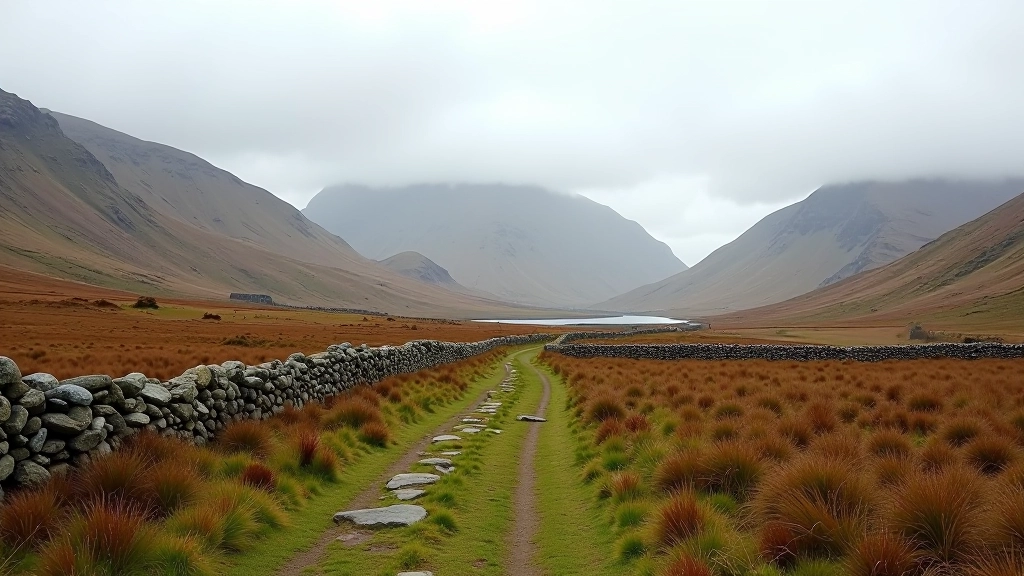

Why Connemara's Valley Loops Work Best
Connemara gets a reputation for being wild and remote. But that doesn't mean you need to be scrambling up rocky peaks to experience it. The valley floor loops give you everything that makes this region special — dramatic mountain backdrops, traditional stone walls, and that feeling of being truly out in nature — without the steep climbs that leave your knees complaining for a week.
The Ballynahinch loop specifically is one we recommend most often. It's roughly 6km, takes about 2 to 2.5 hours at a comfortable pace, and there are natural rest spots where you can sit and just absorb the views. You're walking on decent terrain most of the way, and the loop design means you're never too far from the starting point if anyone needs to turn back early.
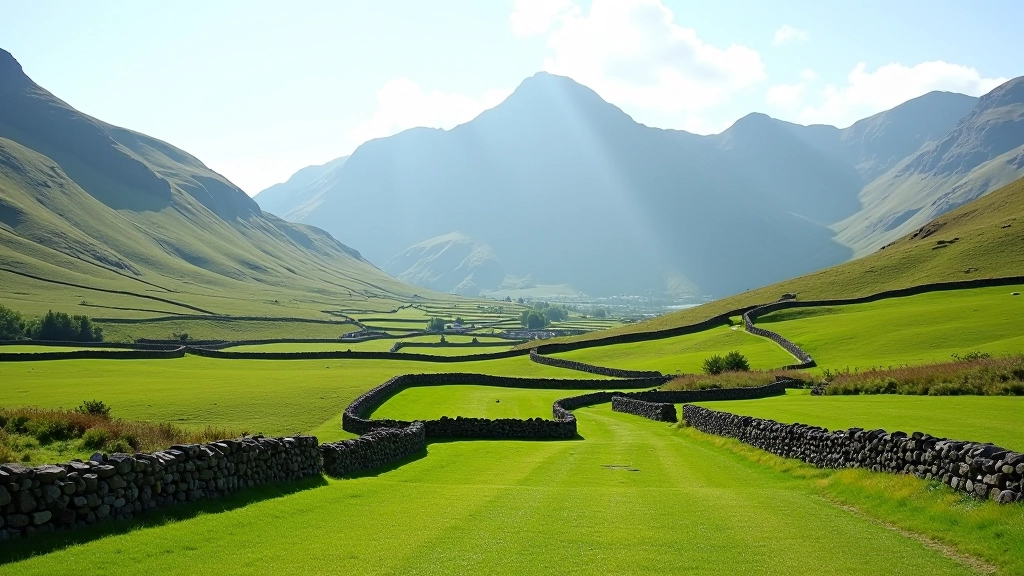
The Route Breakdown
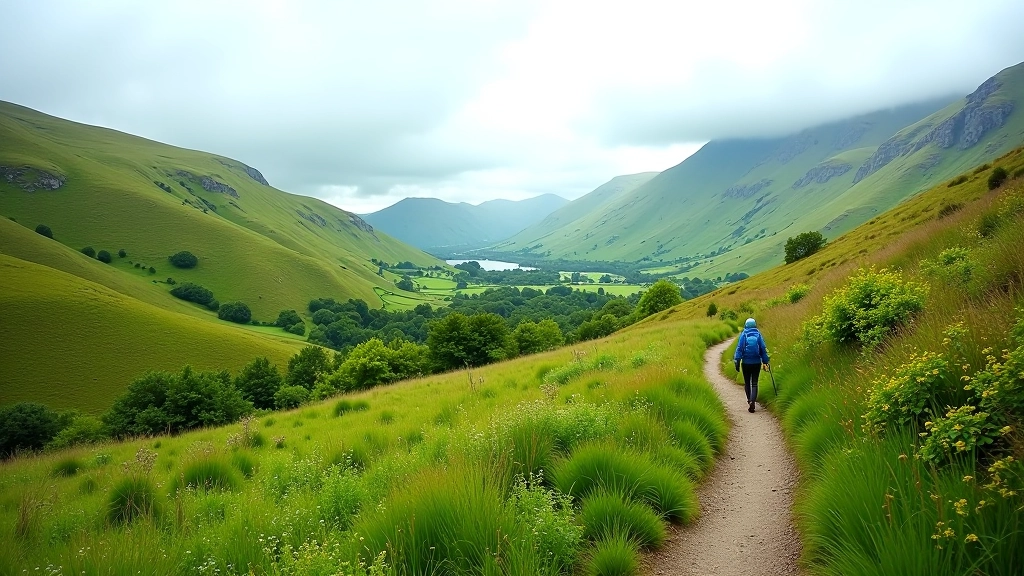
Starting from Ballynahinch village itself, you'll head out on a mix of minor roads and field paths. The opening section follows a quiet lane that climbs gradually — nothing steep, just enough to get your legs working. After about 1.5km, you'll leave the road and cut through some fields where the path is clear and well-trodden.
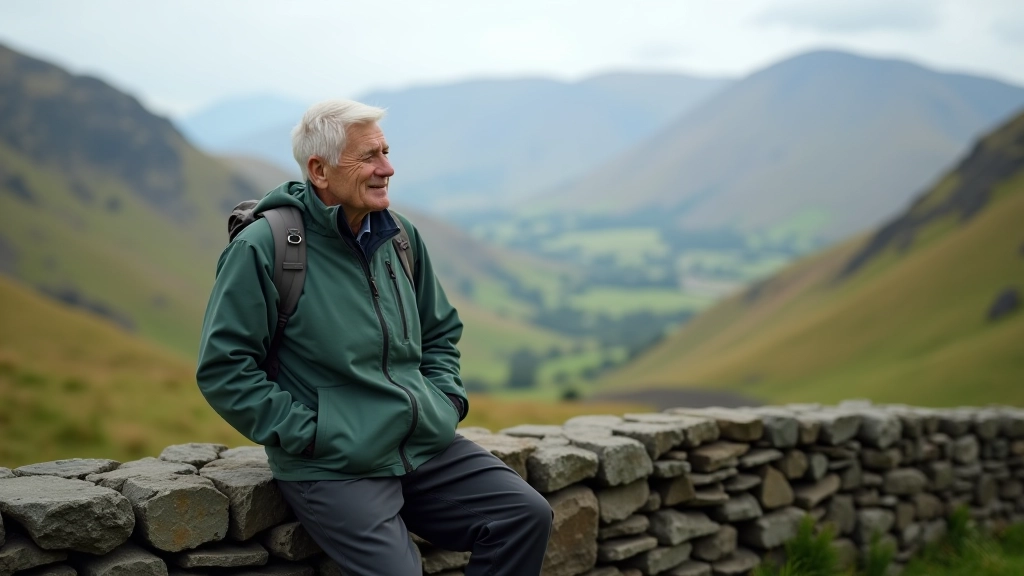
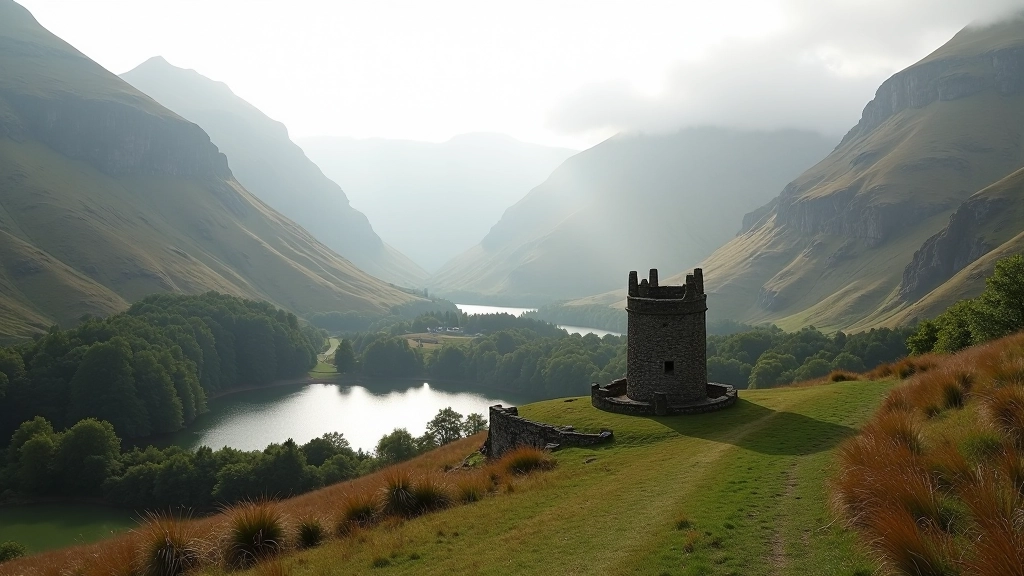
This is where the views really open up. You're looking directly at Benlettery mountain rising on your left, and Twelve Bens in the distance. The path curves around the valley floor, and there's a point near 3km where you'll pass an old stone wall with a natural seating area. Seriously. It's one of those perfect spots where you stop for ten minutes and just sit.
The return leg brings you back through more pastoral landscape. You'll spot traditional farmhouses and stone walls that've been there for generations. The final stretch is mostly downhill or level, so your legs get a bit of relief on the way home.
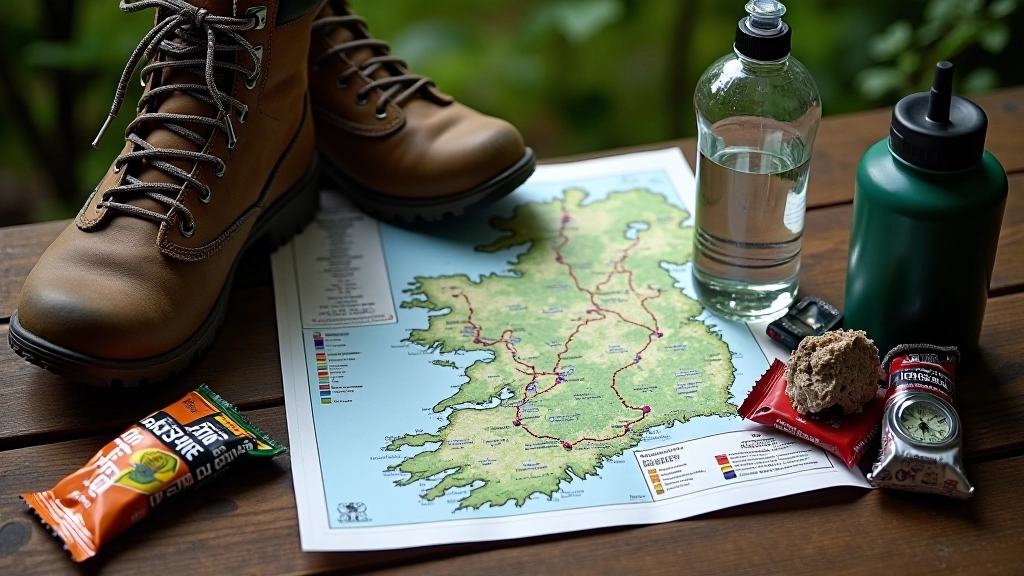
What You Actually Need
Weather changes fast in Connemara. You'll need a good waterproof layer even on days that start sunny. We're not exaggerating — the mountains can pull in rain in about twenty minutes. Bring layers. A fleece under a lightweight jacket works better than one heavy coat because you can adjust as you go.
Footwear matters. Proper walking boots with ankle support aren't overkill here. The terrain's not dangerous, but it's uneven, and you'll cross boggy patches where your foot can easily twist. Good grip makes a real difference. At least 1.5 litres of water and some energy snacks are essential. The route doesn't have water sources along the way, and at 2-2.5 hours, you'll want proper fuel.
A basic map or downloaded offline map on your phone gives confidence. The route is straightforward, but knowing where you are helps with pacing and planning rest stops.
What Makes This Loop Special
Mountain Immersion Without Peak Climbing
You get the dramatic backdrop and sense of being in the mountains without the sustained steep climbing. The views are genuine Connemara without the exhaustion factor.
Manageable Time Commitment
Two to two and a half hours means you're not committing your whole day. It's realistic to fit this into a weekend visit without it dominating your schedule.
Loop Design Means Easy Pacing
You're not hiking out and back the same route. Loops break up the monotony and the loop structure lets you know exactly how far you've come and how far remains.
Mix of Landscape Types
You'll experience valley farmland, open moorland, field paths, and quiet roads all in one walk. It's diverse without being complicated.
Explore More Gentle Routes
Tips That Actually Make a Difference
Start Early
Beginning around 9 or 10am gives you the full day's light and means you're back before afternoon mist can roll in. Plus parking at Ballynahinch is easier in the morning.
Pace Yourself Generously
This isn't a speed walk. Build in rest stops. You're out here to experience it, not rush through it. Taking 2.5 hours for 6km is perfectly reasonable and gives you time to actually enjoy what you're seeing.
Check Ground Conditions
After heavy rain, boggy sections can be properly wet. It's not a dealbreaker, but knowing in advance means you wear appropriate boots and don't get surprised mid-walk.
Bring a Camera or Phone
The views really are worth capturing. Whether it's for memories or to share with friends, you'll want something to document what you're seeing.
This Walk Is Worth Your Time
Connemara doesn't need to intimidate you. The Ballynahinch loop proves that you can have a genuine mountain experience without technical difficulty or extreme fitness demands. It's a walk that works for people who want something real — not a flat stroll, but not a mountaineering expedition either.
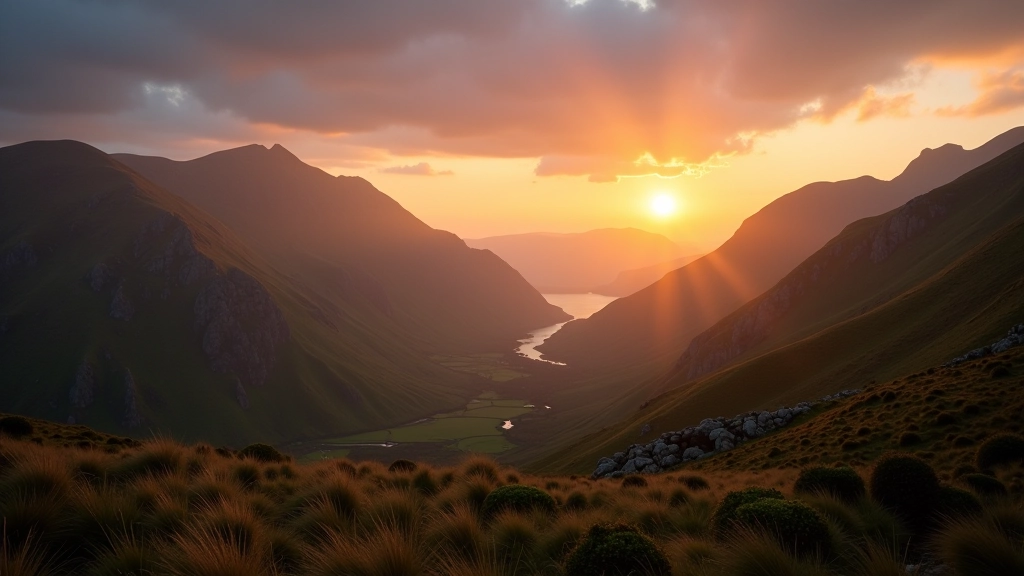
You'll come back with sore legs if you're not used to walking, sure. That's normal and it fades in a day or two. What you won't lose is the memory of standing in a valley surrounded by mountains, with nowhere to be and nothing to do except breathe the air and look at the view.
That's what makes this loop special. It's accessible. It's achievable. And it gives you the real Connemara experience.
Important Information
This article is informational guidance based on established trail conditions and general hiking practice. Weather, ground conditions, and trail status can change. Always check current conditions before heading out, bring proper equipment, and consider hiring a local guide if you're unfamiliar with the area. We're not responsible for any injuries or incidents that occur on these routes. Hiking involves inherent risks — assess your own fitness level honestly and turn back if conditions don't feel safe.