
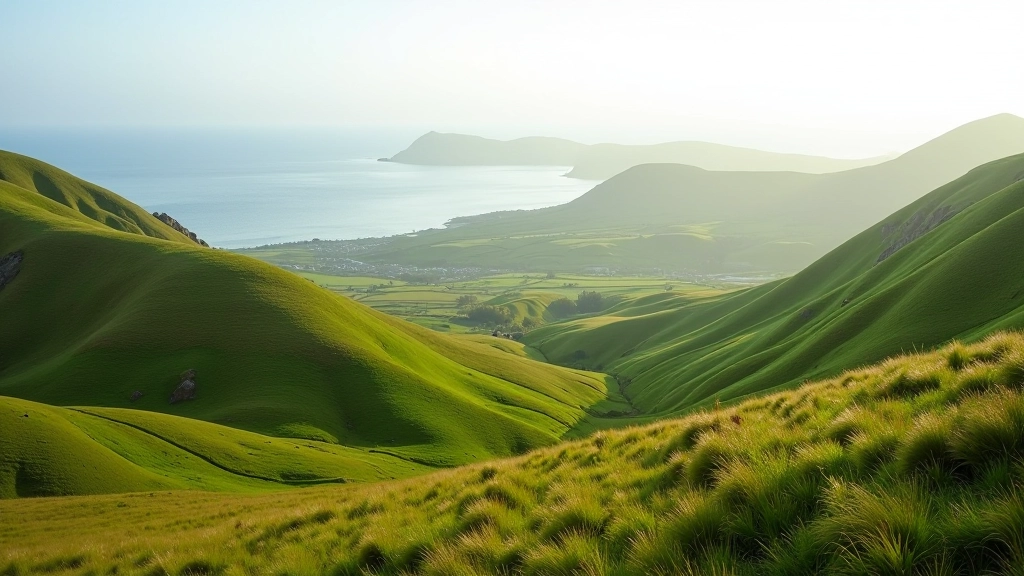
Glendalough Valley Trails: A Step-by-Step Guide
Explore the ancient monastic site through three manageable loops. The lower lake walk is just 3km and takes about 90 minutes at a relaxed pace with flat sections.

Why Glendalough Works for Beginners
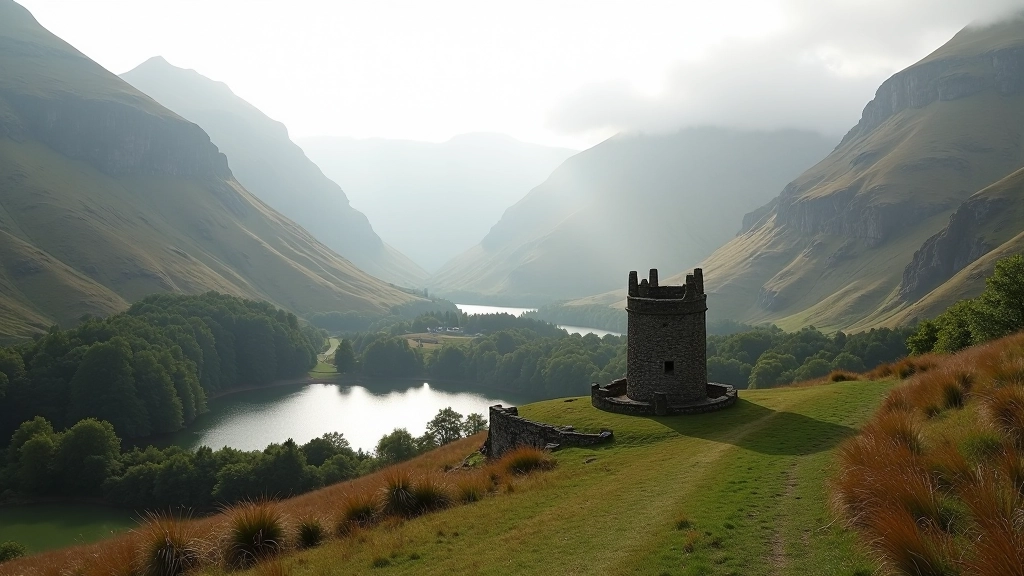
Glendalough isn't intimidating. You've got marked paths, plenty of spots to rest, and honestly some of the most stunning views in Wicklow without needing serious fitness. The valley has three distinct walking loops, and you can do them separately or mix them depending on how you're feeling that day.
We're talking about ancient monastic ruins dating back to the 6th century, two pristine lakes surrounded by forest, and mountains that frame everything beautifully. The best part? Most of the walking is relatively flat with gentle elevation gains. You won't feel like you're climbing a mountain — it's more like exploring a historic valley at your own pace.
The Lower Lake Loop: Where Most People Start
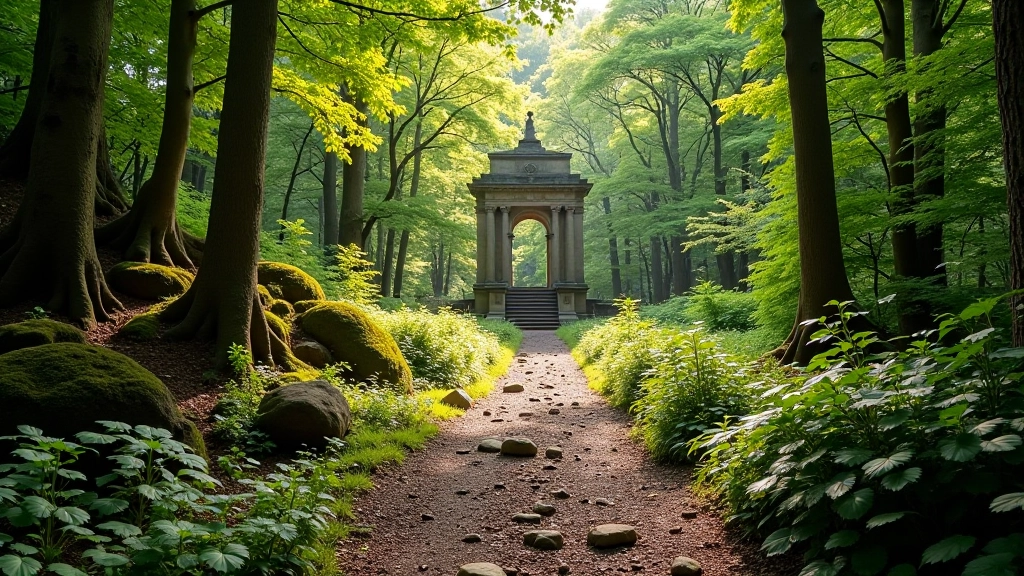
This is the most popular route and honestly for good reason. It's 3km, takes about 90 minutes at a comfortable pace, and gives you everything you're looking for — history, scenery, and a genuine sense of accomplishment without beating yourself up.
The walk starts from the visitor center car park. You'll head down toward the lower lake, passing the round tower and various monastic buildings along the way. Don't rush through this section. Take time to actually look at the stonework and imagine what daily life was like for the monks who lived here over a thousand years ago.
Key Details
- Distance: 3km
- Duration: 90 minutes (relaxed pace)
- Elevation gain: 60 meters
- Surface: Mix of gravel paths and natural trail
- Difficulty: Easy to moderate
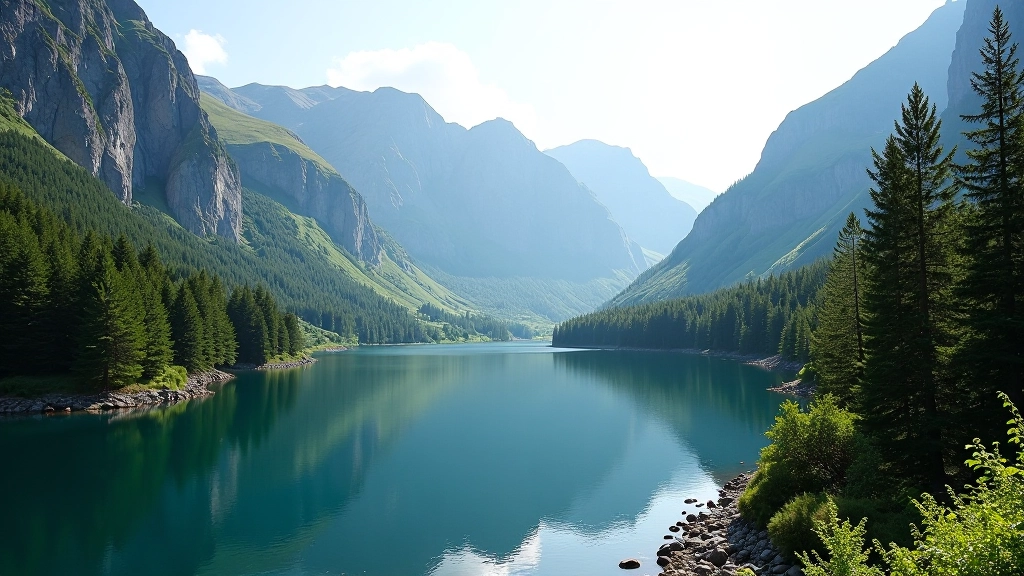
The path hugs the shoreline for most of the lower lake section. You'll see oak and ash trees, maybe some ducks if you're quiet. The terrain is generally flat but can be muddy after rain, so bring decent walking shoes with grip. There's a café near the parking area if you want to grab tea before or after — very handy if you need a warm drink afterward.
The Upper Lake Trail: For When You're Feeling Stronger
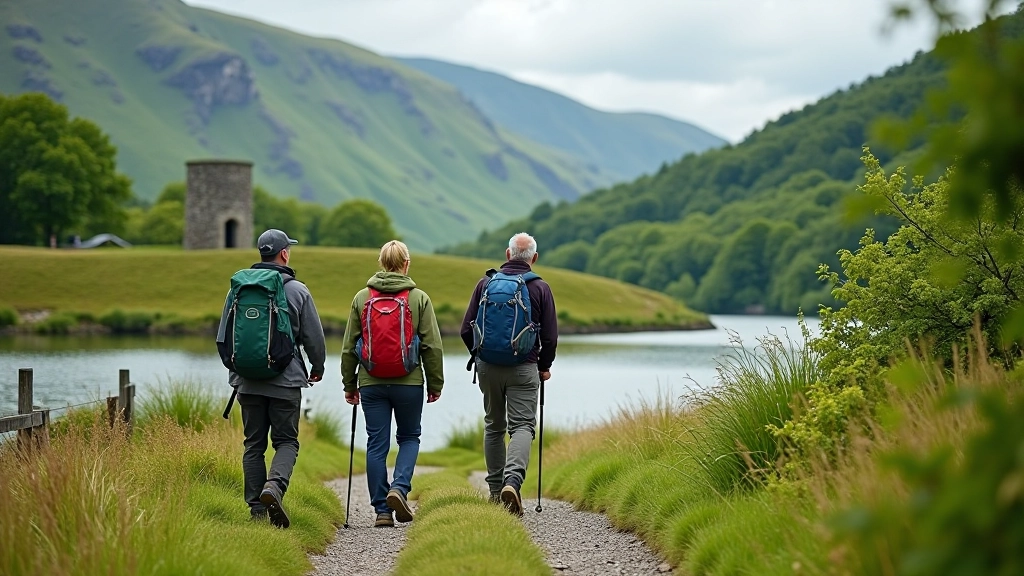
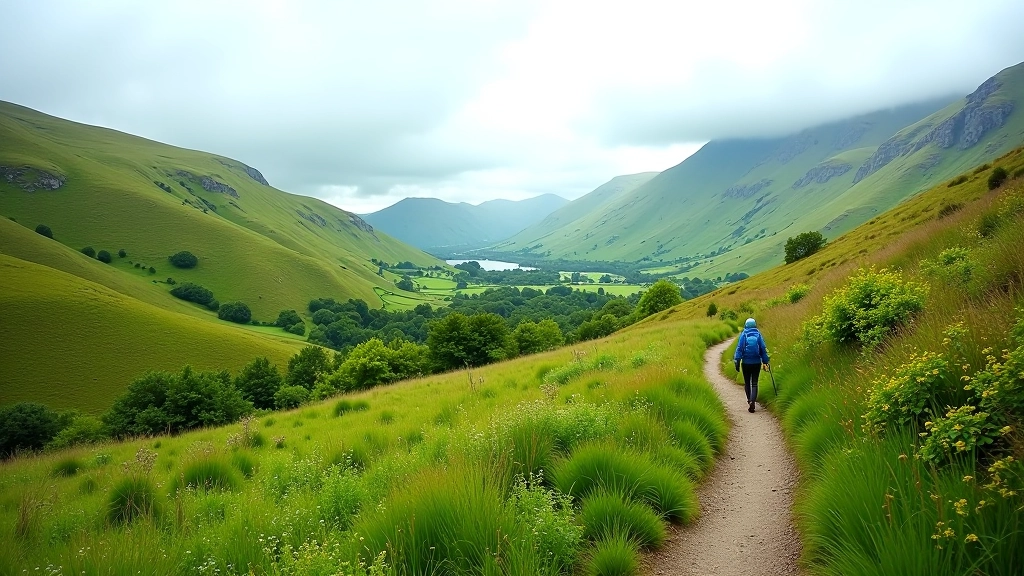
Once you've done the lower lake and you're feeling confident, the upper lake loop is next. This is 5km total and involves about 150 meters of elevation gain. It's steeper than the lower lake, but it's also quieter and the views are genuinely worth the extra effort.
The route connects to the lower lake path but climbs through woodland toward the upper lake. You'll notice the scenery changes — the valley gets narrower, the cliffs more dramatic. The upper lake itself sits in a glacial valley and feels more remote even though you're not that far from the main sites. This is where you really get a sense of Glendalough's wild side.
Don't skip the viewing area near Glenveagh. From here you can see both lakes stacked vertically down the valley. It's the kind of moment that makes you understand why people have been coming to this place for over 1400 years. The monks chose well.
Pro tip: Start early if you're doing the upper lake. The paths can get busier in late afternoon, and you want plenty of daylight for the steeper sections. Bring trekking poles if you have them — they really help on the descent.
What to Bring and What to Know
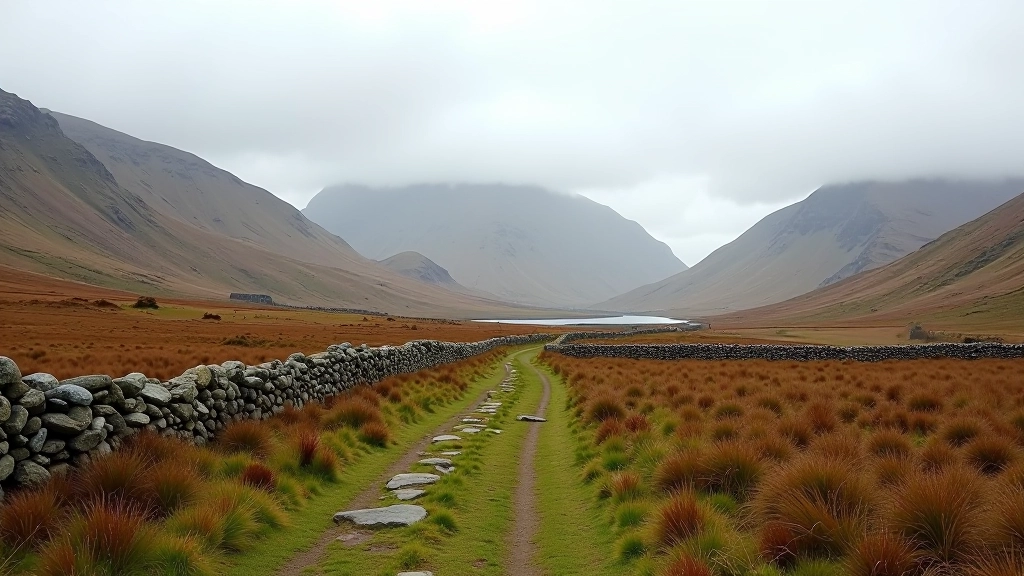
Glendalough is at about 100 meters elevation in the valley itself, but the weather can change quickly. You're in the Wicklow Mountains, so it's genuinely cooler than the surrounding areas. Even in summer, bring a light waterproof layer. The Irish weather doesn't care about your plans.
Wear proper walking shoes — trainers will get muddy and wet. The paths can be boggy after rain and honestly pretty slippery. A pair of waterproof hiking boots or shoes with good tread makes a huge difference. Most people underestimate this until they're sliding around on wet ground.
Essential Packing List
- Waterproof jacket and trousers
- Sturdy walking shoes with grip
- 2-3 liters of water minimum
- Snacks (energy bars, fruit, nuts)
- Sun protection (sunscreen, hat, sunglasses)
- Basic first aid kit
- Phone fully charged for emergencies
- Trekking poles (optional but helpful)
- Map or downloaded trail app
The visitor center has maps and staff who know the trails really well. Don't be shy about asking questions. They'll tell you about recent conditions, which paths are best on the day, and whether anything's been rerouted. It takes five minutes and could save you an hour of frustration.
Getting Started: Your First Visit
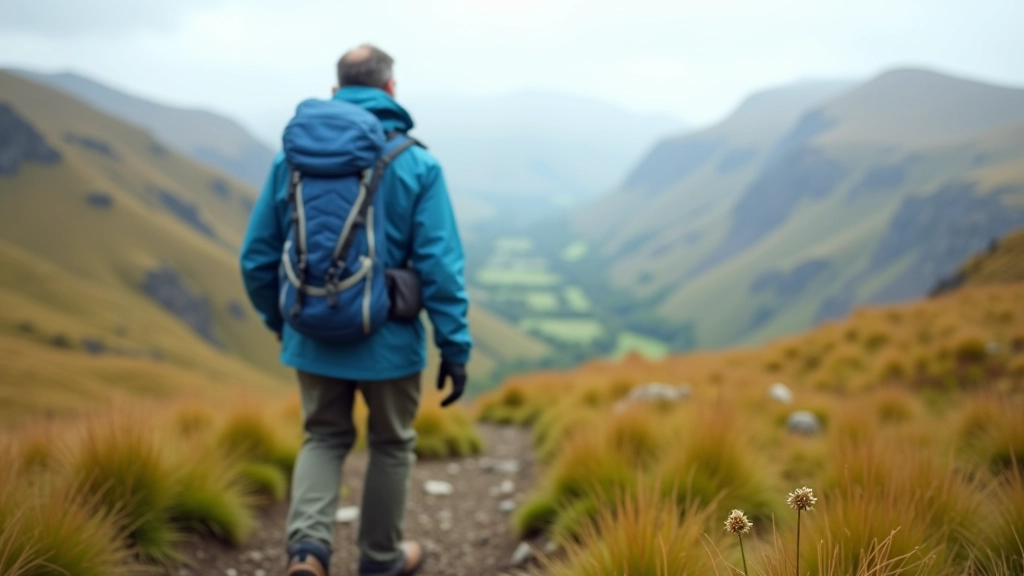
Glendalough rewards you for showing up. You don't need special fitness levels or expensive gear. You just need decent shoes, reasonable weather judgment, and the willingness to walk slowly and actually look around.
Start with the lower lake loop. Do it at whatever pace feels natural. If you're back at the car park and feeling good, you can always pop back out and explore more. If you're tired, you've still had a brilliant morning and seen something genuinely ancient and beautiful.
The visitor center is open year-round. Best times to visit are April through October when daylight is long and weather is most predictable. Parking fills up around 11am on nice weekends, so arrive early if you can.
Want to explore more beginner-friendly trails across Ireland?
Browse All GuidesImportant Disclaimer
This guide provides general information about walking trails at Glendalough. Trail conditions, accessibility, and safety requirements can change due to weather, maintenance work, or other factors. Always check current conditions with the Glendalough Visitor Center before heading out. Wear appropriate clothing and footwear, carry sufficient water and supplies, and inform someone of your planned route and expected return time. Walking in mountainous terrain carries inherent risks. These guides are educational resources, not substitutes for proper planning and judgment. Your safety is your responsibility.